

Interesting week at work. I was tasked with automating some of the more “repetitive” parts of my job. I ended up spending three half-days writing a 400-line PowerShell script that now does about half a day’s work in 90 seconds. Okay, let’s be honest: modern coding means half-borrowing from a co-worker’s program and half-stealing snippets from Stack Overflow comments that may or may not be intentionally put there to mess with the guy asking the question, then Frankensteining them together for your own purposes.
No, this isn’t exactly the glory days of application development. It’s old-school programming versus the new-school version of declaring intentions in someone else’s 5,000-line Terraform labyrinth and hoping the cloud spirits correctly interpret your obese config file with delusions of being a language. I had functions. I had variables. I had loops and conditions.
I had a blast … and that probably should have been my first warning sign.
There’s a very specific dopamine hit that comes from building something in a procedural language where you understand every piece of it, because you wrote every piece of it. It’s not about productivity or efficiency. It’s about control and trusting your creation. It comes with a blissful confidence that when something breaks, you’ll know why and where the problem sits, and not freak out about whether it’s in your code or one of the other twenty guys’ that contributed to this spaghetti bowl.
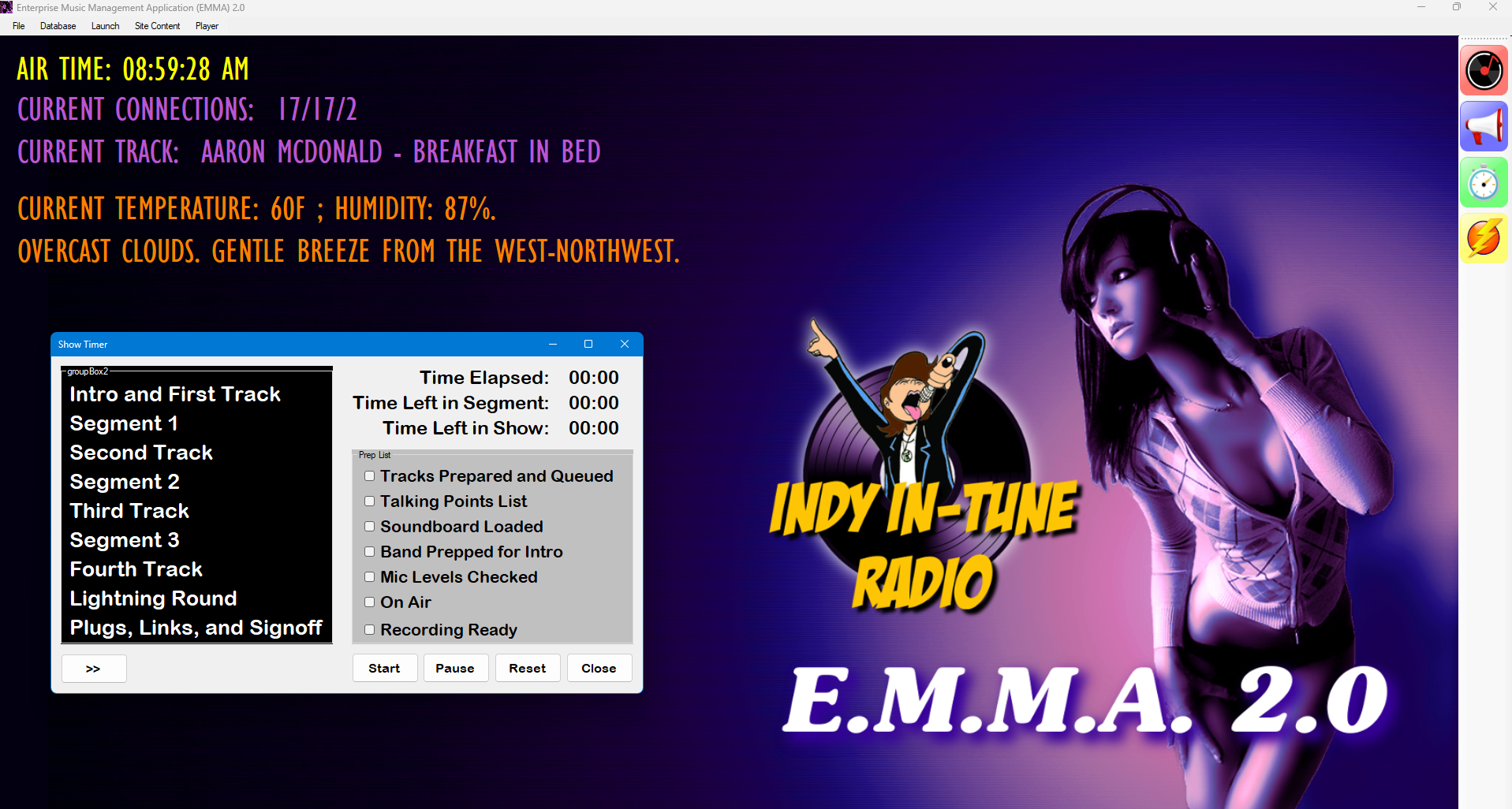
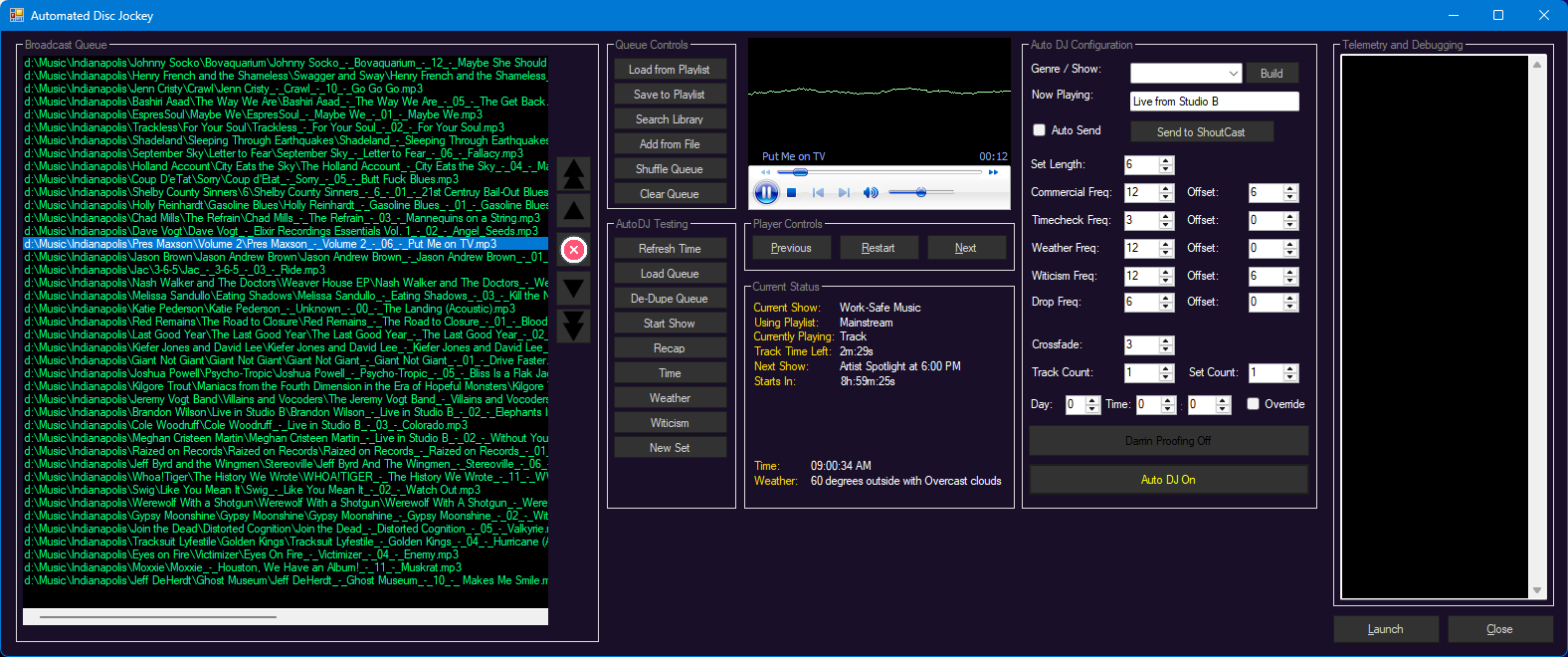
For the first time in at least five years, I fired up Visual Studio at home and revisited E.M.M.A. (Enterprise Music Management Application), my all-purpose streaming radio platform. Think giant MP3 player, library organizer, scheduler, and a dozen side tools duct-taped together over time. She’s been running Indy In-Tune out of my basement for sixteen or seventeen years. She’s a good girl.
She’s also what one might call “vintage.” I like to think she’s “quirky.” The tech stack is VB, MS Access, a Winamp DSP plugin from back when Clinton was president, a dozen DOS batch files called by Windows Task Scheduler, and an external call to a Perl script I was too lazy to convert and put in her code. It’s less a tech stack and more a museum exhibit. However, she is a workhorse of a program that has run 24/7 without a crash for over a decade, which is more than I can say for most “modern” systems. This is also why I’ve never gutted her or tried to improve her. Hell, I even stopped patching the Windows XP box she runs on.
This week sorta changed that for me, though. See, we can’t use AI at work for obvious reasons, but I watched my Sogetti buddy sitting on a barstool, doing a week’s worth of design and coding in about four hours while barely touching his keyboard. So wait, I can get a CodeGPT subscription and use it for my own projects, right? Game on!
I expected it to be like the old dot-com days, when I would sit in my boss’ office, listen to him espouse some vision for eight hours, and swat at the carrot of being a tech millionaire in five years dangling in front of me. My response, on a half-dozen of these occasions, was, “I don’t know what you’re going on about, so I’ll build you a customer database, and you can tell me what to hook onto it after that.”
I used to call that my “Jazz Methodology.” Oddly enough, I thought of the name one night after work, drinking Dusseldorfer at the Chatterbox. Like, yeah, daddy-o. We’re gonna lay down a solid riff, then build outward from it, adjusting as you go, and we never decide what the jam is until the first cat takes his solo. (I later expanded this philosophy into “Jazzoize: A Life, Culinary, and Software Development Methodology” because someone else, apparently, had the same epiphany at a different jazz bar and beat me to the name.)
The point was, project managers, when I worked for a company big enough to have one, hated my approach. It didn’t fit waterfall. It wasn’t Agile. It certainly wasn’t going willingly onto a Gantt chart. It was messy, iterative, and dangerously prone to scope creep and gold plating. Executives loved it for that last reason.
Now, apparently, the kids are calling this “vibe coding.” They’re so precious.
Until recently, I assumed “vibe coding” meant coming up with an idea, letting AI build the whole thing, shipping it, and retiring. In reality, it’s more like throwing an idea together. Maybe talk to AI about it. Run it. Watch it fail. Realize the problem isn’t the code, it’s you. Refine. Repeat. My point is that AI hasn’t eliminated the need for programmers or business analysts. If anything, it’s raised the bar. It was nothing like what I thought it would be. It’s not “press button, receive software, retire early.”
What it does do is let a guy like me, who has been out of the coding game for 15 years, ask about modern architecture, tech stacks, data structures, language quirks, and namespaces. Then it gives honest, sensible answers. No eye-rolling. No “you’re such a caveman.” No passive-aggressive Stack Overflow personalities. This is new. Honestly, back in the ‘90s, if you asked another developer a question felt like cheating. Maybe not a moral sin, but certainly sacrilegious. You’re supposed to read this and learn why it is, not just let somebody tell you how to code it.
What AI does do, however, is remove that four hours between iterations filled with pain, coffee, tears, late nights, and 20 feet of green-bar paper spread across the hallway because you took “look at the problem from a different angle, literally.” Now that part takes about a minute. AI will happily generate code that compiles and runs. It will also happily generate code that is subtly, catastrophically wrong. They used to blame that on bad requirements from the Business Analyst put in as a trap. As if we’re the genie in the lamp, trying to trip you up on your wording.
There were a couple of times when AI took my instructions too literally because I assumed it “got what I meant.” A few other times, it suggested weird new designs because I forgot to update the repo with some new class I’d pulled over from Emma that changes the context of what I was talking about. All of this is a fun new way to realize you’re the weakest link in your own workflow.
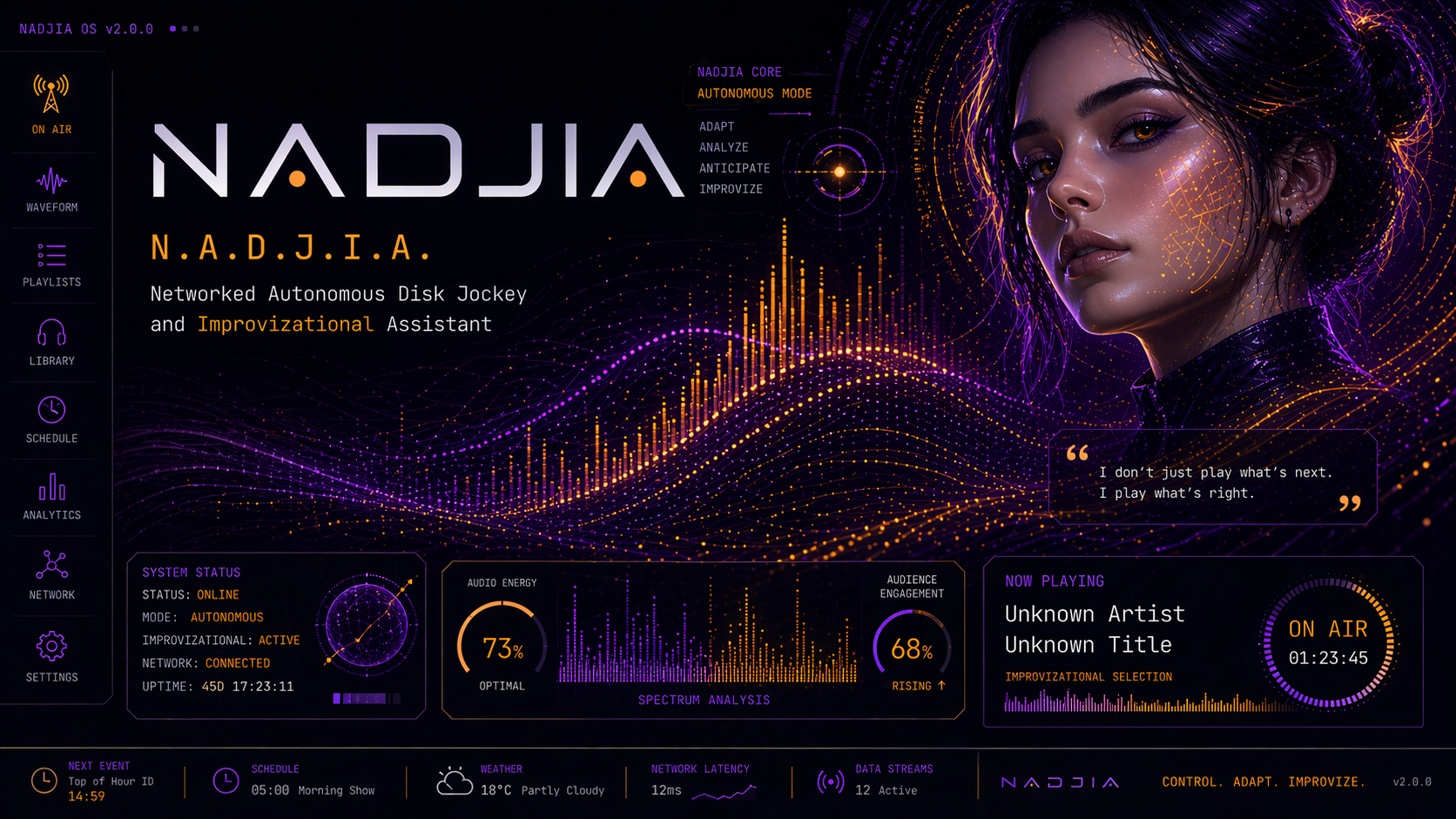
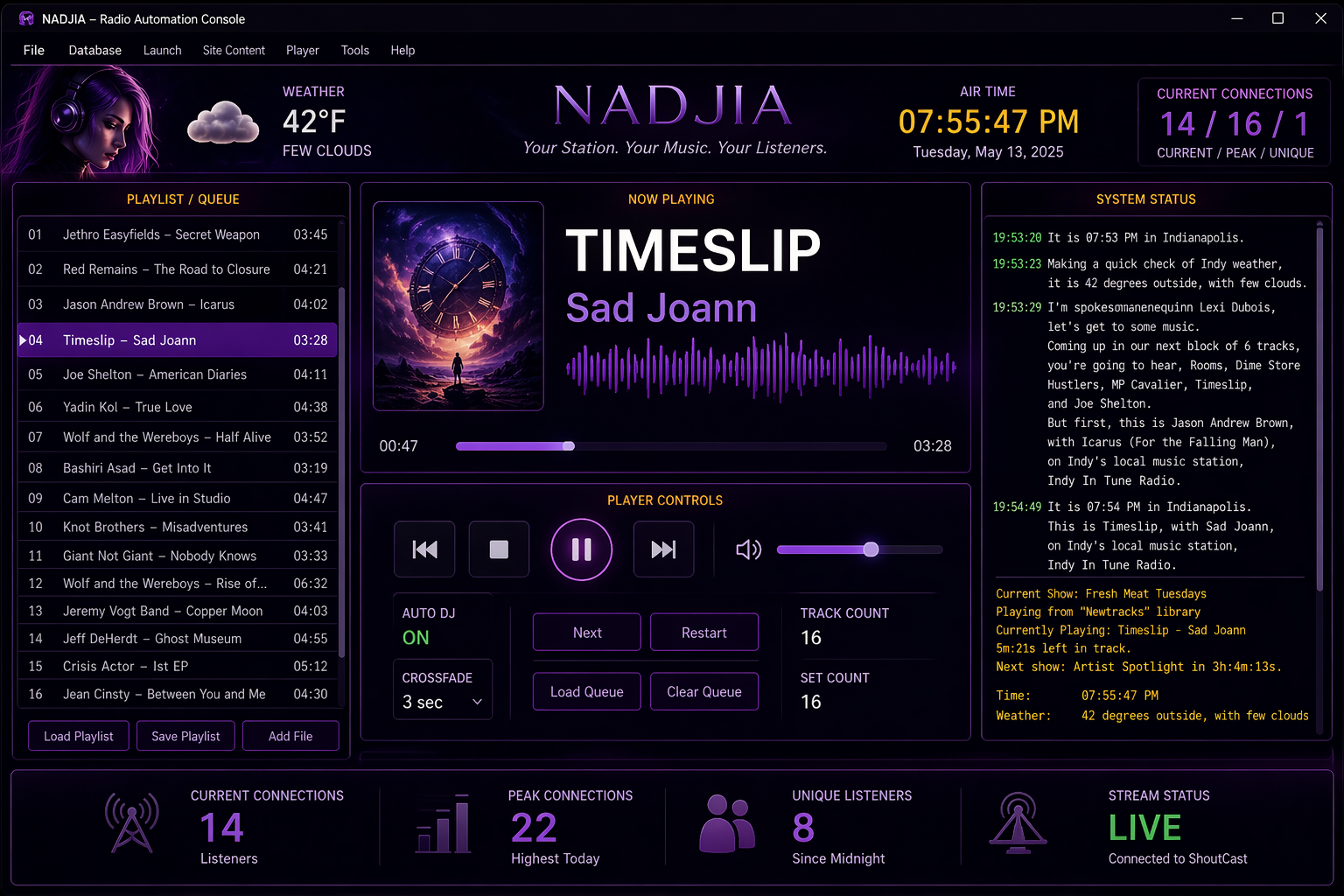
Still, after one night of just playing around, I got a huge chunk of E.M.M.A.’s little sister built. N.A.D.J.I.A. is twice as fast, half the footprint, all self-contained, and makes her sister look like a dog-faced girl. It worked because I knew every nook and cranny of how E.M.M.A.’s code worked, why it was written the way it was, and what the shortcomings were that I didn’t want to port to the next version. I could have fixed them back then, but I was too lazy to take the time to fight with new code.
AI isn’t replacing developers. It’s exposing the difference between people who understand systems and people who memorize syntax. If your entire skill set was based on remembering how to hunt down and stitch together pieces of code and make it work, this is not good for you. If your background was reading the books, writing all of the code yourself from scratch so you understood what every single line did, and staying focused on how users interact with your creations, then I think this is going to be your comeback vehicle.
“Vibe coding” is not new. A lot of us were doing this 30 years ago. It’s how small teams survived in the early days of the Internet startup scene. The only difference now is that someone has given it a name, which means people will talk about it, formalize it, and try to get a piece of it. When history inevitably repeats itself, expect $1500 “Vibe Coding Bootcamps.” $200/hr “Vibe Optimization Gurus,” and the inevitable $500 “Vibe Coding Certification.”
To be fair, I’m just a little irritated because that was my plan for Jazzoize, only I was going to do it as a joke.

I’m waiting for the day when an AI agent generates the code that takes down the entire internet. Probably be written using OOPs methods.
LikeLike
I don’t know. I once watched a guy in my Lisp class lock up the Indiana University mainframe in ten minutes with a two line program that recursively allocated n^2 bytes of memory on every iteration.
LikeLike